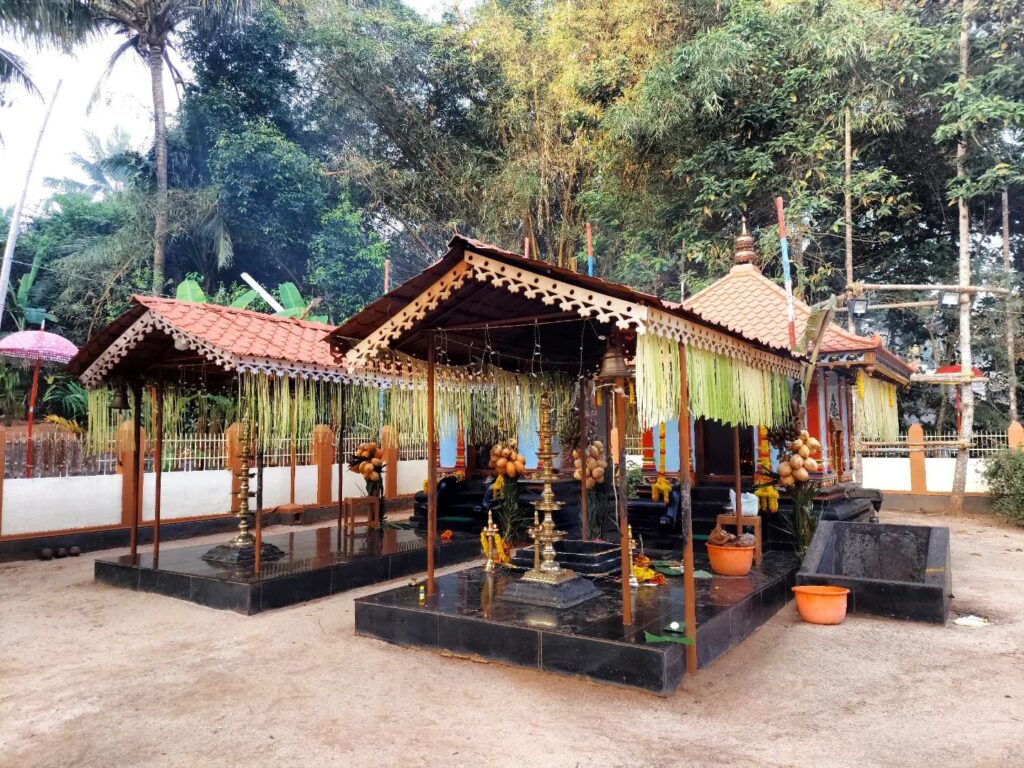
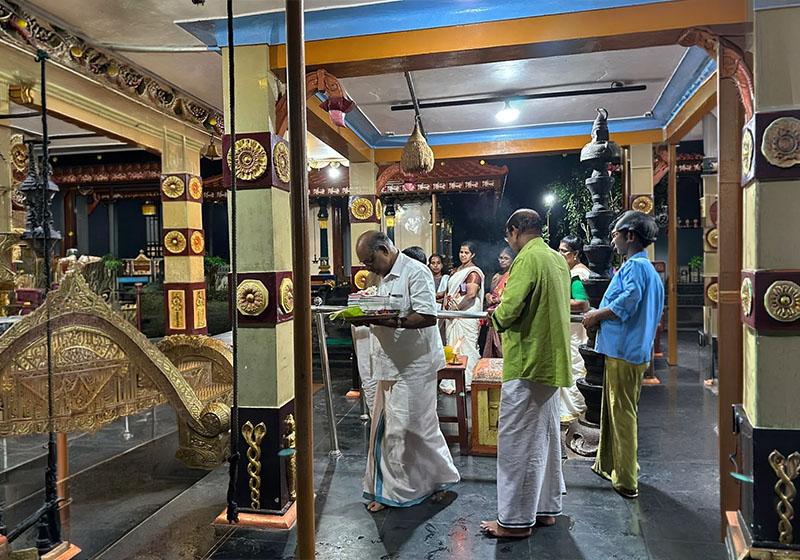
History of Kidarakuzhi Idivizhunnavila Devi Temple
The history of the temple is intrinsically tied to its unique name, Idivizhunnavila: Etymological Origin: In Malayalam, Idi translates to “Lightning,” Vizhunna to “Fell,” and Vila to “Field” or “Land”.
The Legend: Local tradition suggests that the temple site was established where a massive lightning strike once occurred. In Kerala temple lore, such events are often interpreted as divine signs indicating a sacred spot or revealing a self-manifested (Swayambhu) deity.
Deity Manifestation: The presiding deity is Sree Bhadrakali, worshipped as a powerful protector. She is often revered in her fierce form (Raudra Bhava) to vanquish evil, while also being seen as a benevolent mother who grants peace and prosperity to her devotees.
Major Festivals
The temple’s primary celebrations center around the Kumbha Bharani festival, which is one of the most important dates for Bhadrakali temples in Kerala.
Kumbha Bharani Mahotsavam: This annual festival occurs during the Malayalam month of Kumbham (February–March) under the Bharani star.
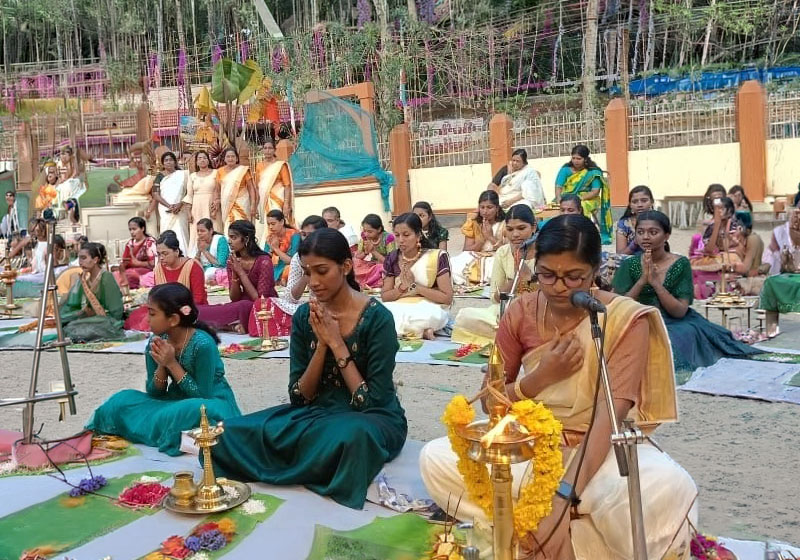
Pongala: Similar to other major Devi temples in Thiruvananthapuram, female devotees offer Pongala (a ritualistic offering of sweet rice cooked in earthen pots) to the Goddess during the festival to fulfill vows and seek blessings.
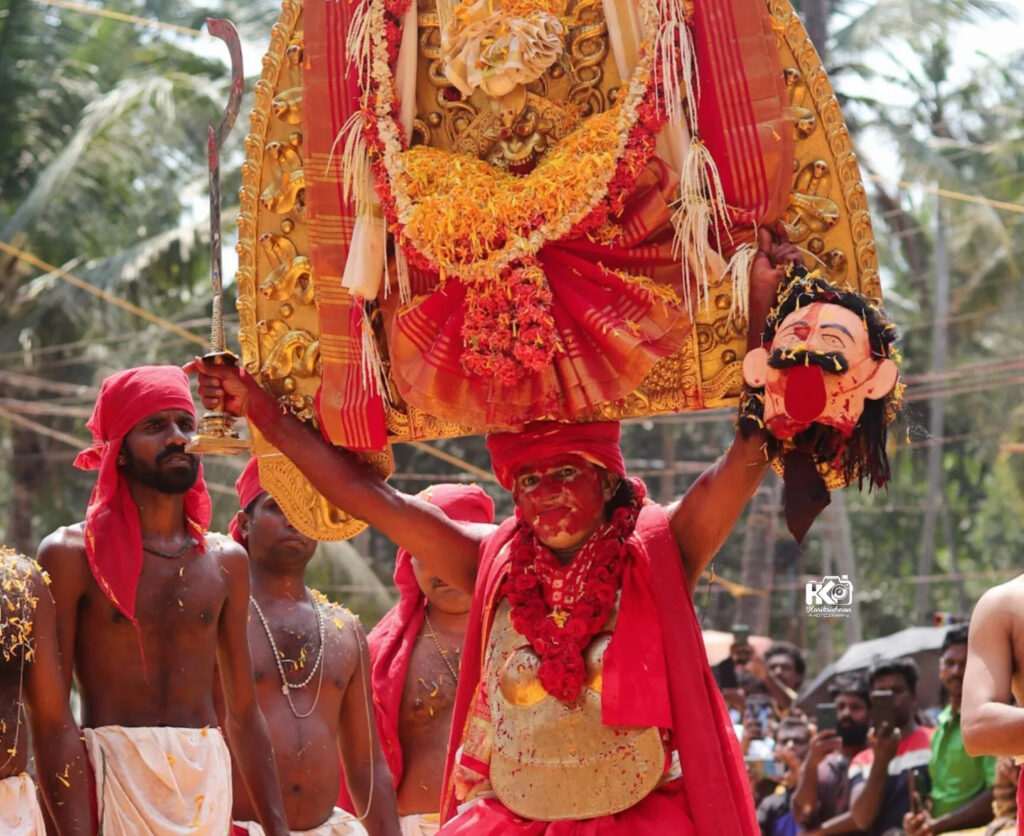
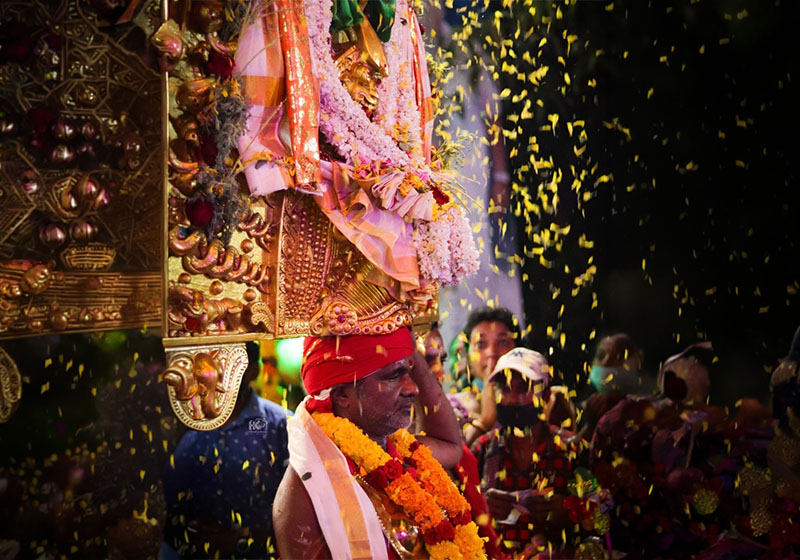
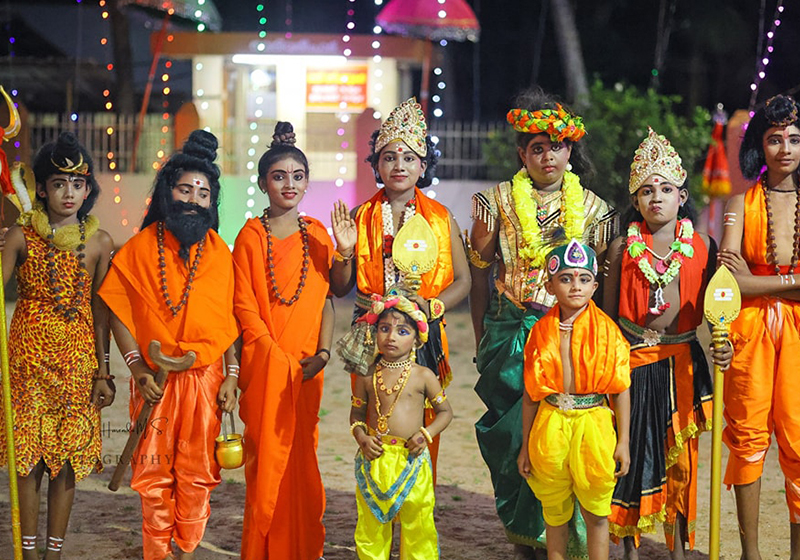
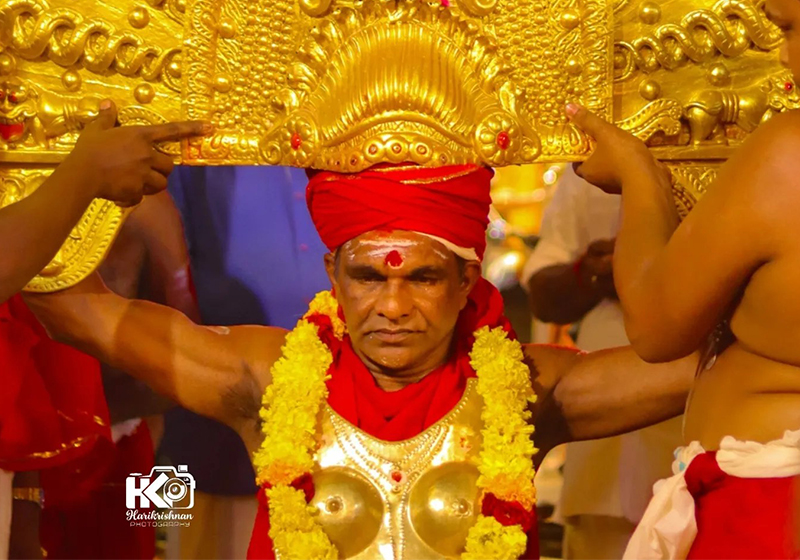
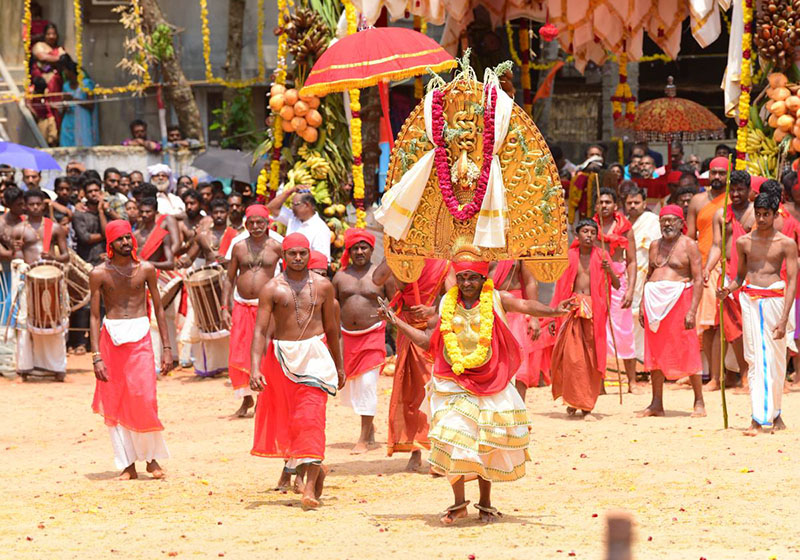
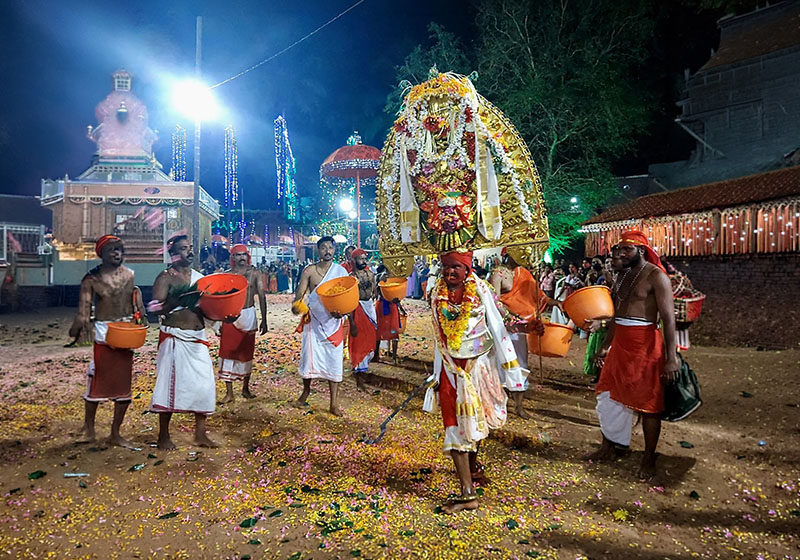
Khosha Yathra: The festival is marked by grand processions (Khoshayathra) featuring traditional music, art forms, and decorated effigies that move through the local village.